HIT with PET

HIT-OCD, or High Intensity Treatment for OCD, is an intensive outpatient program designed to enable faster, functional recovery for patients. The hallmark of HIT is PET – the combination of Pharmacotherapy, ERP, and TMS, three highly effective, evidence-based treatment practices

Pharmacotherapy

Pharmacotherapy, or the use of pharmacological drugs, is a widely accepted first-line treatment for OCD. The most commonly prescribed form of medication are SSRIs, of which specific medicines are selected according to the needs of the patient.

ERP

ERP, or Exposure and Response Prevention Therapy, is a gold-standard therapy for the treatment of OCD. A form of Cognitive Behaviour Therapy, it places emphasis on exposure to OCD-related triggers and the learning of coping techniques to deal with the resulting anxiety. Over time, individuals develop resistance to their obsessive thoughts and urges, in a process called “habituation”.

Transcranial Magnetic Stimulation

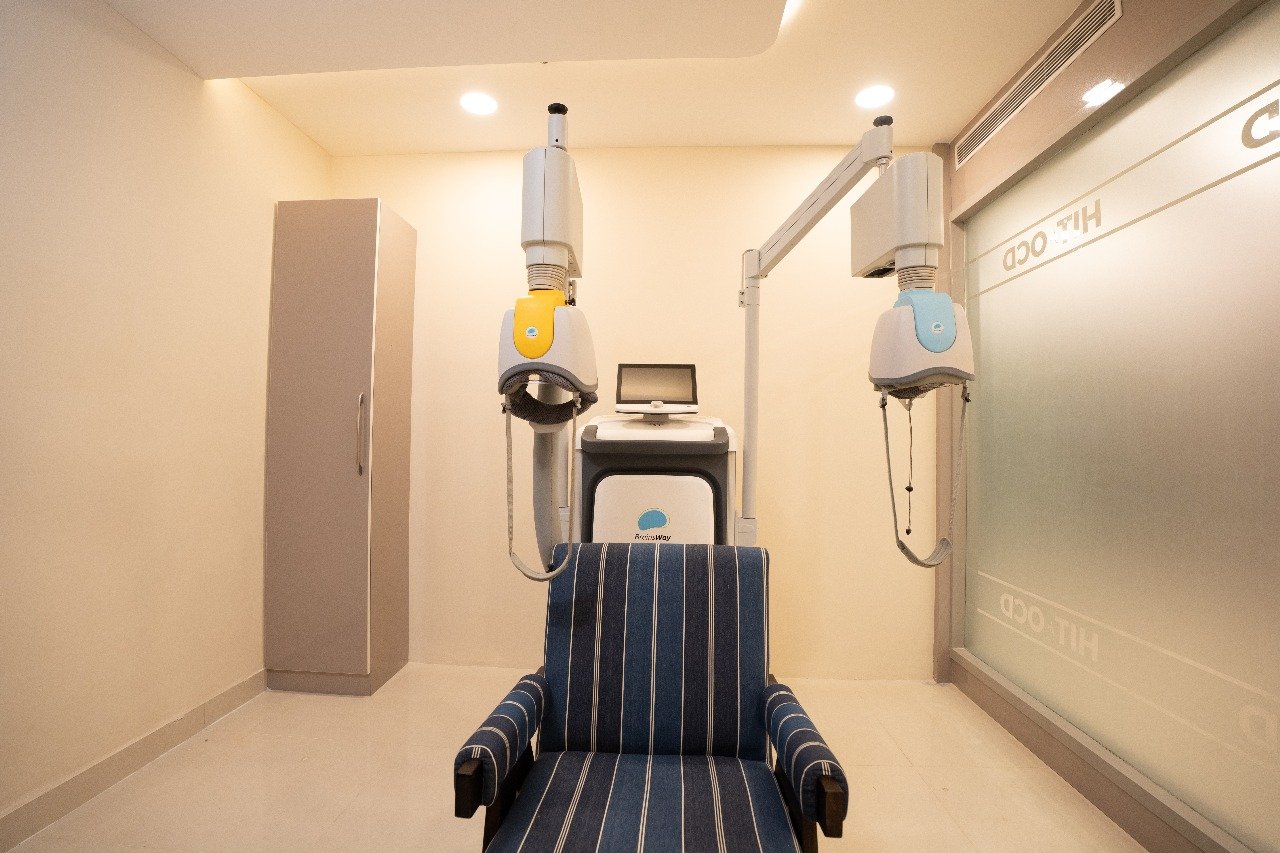
Deep TMS (DTMS) is a treatment approved by the US FDA in 2018 for its application in OCD treatment. The H7 coil by Brainsway is designed to stimulate the MPFC and ACC, two brain areas associated with the development of OCD. When used alongside medication and therapy, DTMS has been found to be safe and highly effective for treating OCD, with faster recovery times.

Holistic Healing

Along with the PET treatment program, HIT offers holistic therapeutic approaches such as Individual, Group, Family Counselling, Art, Music Therapy and Yoga.

Continued Therapy

In addition to five days of intensive outpatient treatment, HIT-OCD includes a maintenance period of six months, during which patients build on their initial progress. Patients are given maintenance DTMS sessions, their medication is monitored, and they are provided additional support from psychiatrists and psychologists as needed.

Opening Doors for Self-Recovery

While HIT-OCD cannot guarantee an OCD-free life post treatment, the program sets patients up for success, with tools and techniques to manage their triggers and compulsions. HIT helps patients reclaim their time and energy for activities and goals that bring them joy and purpose.

Obsessions

Obsessions are intrusive and unwanted thoughts, urges, or images that repeatedly enter a person’s mind. These thoughts are typically distressing or anxiety-inducing. Common themes include:

  1. Contamination:
    • Fear of germs, dirt, or illness.
    • Obsessive thoughts about being contaminated by touching objects or people.
  2. Harm:
    • Fear of causing harm to oneself or others.
    • worry about acting on violent or aggressive thoughts.
  3. Symmetry and Order:
    • Need for things to be symmetrical or in a particular order.
    • Obsessive concern with arranging objects until they feel “just right.”
  4. Doubt:
    • Persistent doubts about having done something properly, such as locking the door or turning off the stove.
    • Fear of making a mistake.
  5. Unacceptable or Taboo Thoughts:
    • Intrusive thoughts about sexual, religious, or moral issues.
    • Disturbing mental images or thoughts that go against personal beliefs or values.
  6. Hoarding Disorder Compulsion:
    • Intrusive thoughts about keeping or acquiring possessions.

Compulsions

Compulsions are repetitive behaviours or mental acts that a person feels compelled to perform in response to an obsession. These actions are meant to reduce anxiety or prevent a feared event, although they are often not realistically connected to what they are intended to prevent.

  1. Cleaning and Washing:
    • Excessive hand Bathing, showering, or cleaning.
    • Avoidance of perceived contaminants.
  2. Checking:
    • Repeatedly checking that doors are locked, appliances are turned off, or that one hasn’t harmed others.
    • Checking one’s body for signs of illness.
  3. Counting:
    • Counting objects, steps, or actions in a certain way or a specific number of times.
    • Repeating actions a specific number of times.
  4. Ordering and Arranging:
    • Arranging objects in a precise or specific way.
    • Reorganizing items until they are “perfect.”
  5. Mental Rituals:
    • Repeating certain words, phrases, or prayers silently.
    • Engaging in mental review or reassurance seeking.
  6. Hoarding:
           unnecessarily accumulating things….

Impact of OCD

  • Distress and Anxiety: They cause significant distress and interfere with daily functioning, including work, school, and social activities.
  • Time Consumption: The cycle of obsessions and compulsions consume a large part of an individual’s time.​
  • Avoidance: People with OCD might avoid situations that trigger obsessions, leading to further impairment in their lives.

Diagnosis:

OCD is typically diagnosed through clinical evaluation, including a detailed patient history and assessment of symptoms. The severity is measured objectively using rating scales such as Yale Brown Obsessive Compulsive Score (YBOCS).

Treatment options for OCD

Conventional treatment options include Cognitive-Behavioural Therapy (CBT), Exposure and Response Prevention (ERP), Medications or Combination Therapy that combines CBT, ERP, medications and family therapy and counselling. Deep Brain Stimulation or admitting the patient is a psychiatric hospital are also done in severe cases.